What Should I Bring to a Rolex Evaluation Appointment in Beverly Hills?
A Rolex evaluation appointment goes more smoothly when you bring the watch’s accessories, paperwork, and service history, not just the watch itself. These details help an evaluator confirm what you own, assess its condition and originality, and discuss a realistic selling or borrowing option.
Before you head to an appointment in Beverly Hills, gather everything that came with the watch, including the box, warranty card, and service records. If you no longer have those items, still bring the watch. Missing accessories do not make an evaluation pointless, but they can affect how a buyer views the package and what they are willing to offer.
It also helps to know what you want from the appointment. Selling outright can provide speed and certainty. Borrowing against the watch lets you keep ownership while accessing funds. Consignment may offer higher potential proceeds, but it usually takes more time and does not guarantee a sale. Your rolex appraisal goal will shape which option makes sense.
Start With the Watch, Box, and Papers
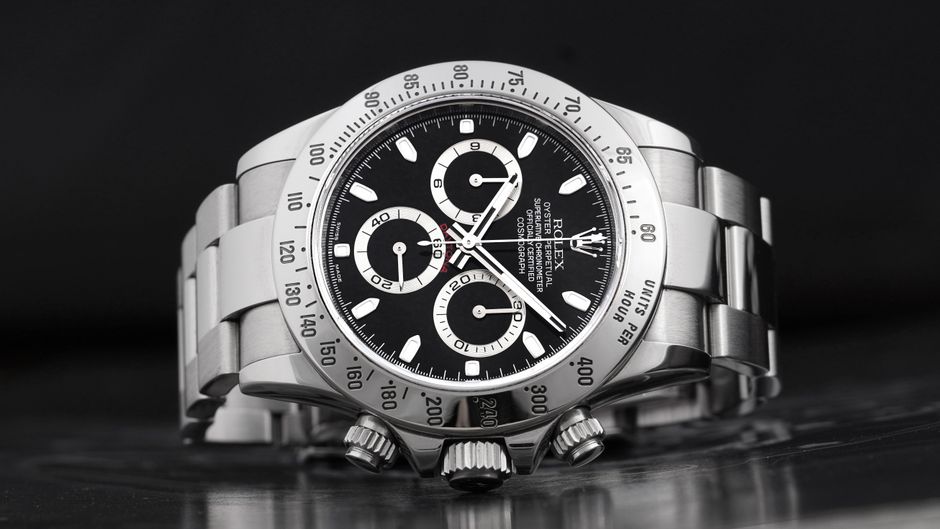
Bring the Rolex as you currently own it. Do not polish it, replace parts, or attempt a repair right before the appointment. An evaluator needs to see its actual condition and configuration. A quick wipe with a clean, soft cloth is fine, but avoid abrasive products and household cleaners.
Bring the original box and any paperwork that belongs with the watch. People often use the phrase “rolex box and papers” to describe a complete set, but the contents can vary by age, model, and original point of sale. Gather what you have rather than assuming every accessory must be present.
- The Rolex watch, including any bracelet links or alternate straps you own
- The original presentation box and outer packaging, if available
- The warranty card, certificate, or older guarantee papers
- Booklets, hang tags, bezel protectors, and other original accessories
- Any receipts, purchase documents, or records that connect the watch to you
Do not worry if you cannot find every item. An evaluator can still inspect the watch and explain what they can establish. However, a complete set may appeal to buyers who value provenance and presentation. Whether it meaningfully changes an offer depends on the particular reference, condition, and current demand.
Bring Service Records and Be Honest About the Watch’s History
Service records help tell the story of a Rolex. Bring invoices, service cards, estimates, and any documentation from an authorized service center or independent watchmaker. A recent service may reassure a future buyer, but the value of that work depends on who performed it, what they did, and whether the paperwork identifies the watch clearly.
Do not describe the watch as “just serviced” if you cannot document the work. Share what you know, including approximate dates, repairs, replaced components, water exposure, or periods when the watch stopped running. Clear information gives the evaluator a better starting point and helps avoid surprises later.
If a service center returned replaced parts to you, bring them too. Original components can matter, particularly when collectors care about originality. But do not assume that every replacement lowers value. A correct, documented repair can support a practical sale, while certain non-original changes may narrow the pool of buyers. The evaluator should explain the distinction for your specific watch.
What Happens During a Rolex Appraisal?
A rolex appraisal can mean different things in different settings. One appointment may focus on insurance documentation. Another may assess a watch for an outright purchase, a loan, or consignment. Before you book, ask what kind of evaluation the business provides and whether it charges a fee.
For a resale-focused appointment, expect the evaluator to review the watch’s identity, condition, and configuration. A careful process may include authentication, condition grading, and pricing from live secondary-market data. These steps help establish what the watch is, what shape it is in, and how comparable examples are performing in the market.
Authentication involves more than looking at the logo or reading the dial. The evaluator may examine the case, movement, bracelet, serial and reference information, and whether components appear consistent with the model and period. No single visual detail should carry the whole conclusion. The watch’s parts and history need to make sense together.

Condition grading should also be specific. “Excellent” means little without an explanation. Ask the evaluator to point out visible wear, scratches, dents, bracelet stretch, dial or hand changes, and any service needs. A clear account helps you compare offers without relying on vague descriptions.
Pricing from live secondary-market data can provide useful context, but asking prices are not the same as completed sales. The evaluator should distinguish relevant market evidence from optimistic listings and explain how condition, completeness, transaction costs, and buyer demand affect an actual offer.
What Drives Rolex Value?
Three major factors shape value: reference, condition, and originality. They work together. Two watches that look similar at a glance can attract different offers because they have different references, histories, parts, or levels of wear. “A Submariner is a Submariner” is not a useful valuation method. Specific details matter.
Reference and configuration
The reference identifies the model and configuration. The evaluator will consider the exact reference, production era, dial, bezel, metal, bracelet, and other specifications. Some details attract stronger collector interest than others, and demand can shift. Bring any paperwork that helps confirm the watch’s identity, but let the evaluator verify it independently.
Condition
Condition includes more than whether the watch runs. Case shape, polishing, bracelet condition, crystal, bezel, dial, hands, and movement performance can all affect buyer interest. A watch can keep time and still need service. Another can show honest wear yet appeal to a collector who values an untouched example.
Avoid polishing the case before the appointment. Polishing can soften edges and alter the original shape. An evaluator can tell you whether the existing wear appears acceptable or whether a repair makes sense. Do not authorize work before you understand its cost, likely effect, and whether a future buyer will value it.
Originality
Originality refers to whether the components fit the watch’s expected configuration and history. The evaluator may look for replacement parts, refinished dials, aftermarket components, or changes made during service. Some replacements are appropriate and well documented. Others may reduce collector appeal. Ask for a clear explanation rather than a blanket statement that the watch is “all original.”
Decide What You Want: Sale, Loan, or Consignment
Bring a sense of your priorities, even if you have not chosen a route. Ask how each option works, what fees or costs apply, how long it may take, and what happens if you change your mind. Compare the terms, not just the headline number.
Option What it offers What to ask Sell outright Speed and certainty once you accept the offer and complete the transaction Is the offer final? When and how will you receive payment? What verification or paperwork is required? Borrow against the watch Access to funds while keeping the possibility of retaining ownership What are the interest, fees, repayment terms, due dates, and consequences if you cannot repay? Consignment Potential for higher proceeds if the watch finds the right buyer What commission applies? How will the asking price be set? How long is the agreement, and how can you end it?Selling outright for speed and certainty
An outright sale may suit you if you want a clear transaction without waiting for a retail buyer. The tradeoff is that the business needs room to resell the watch and manage its costs and risks. “Fast cash” usually means a discounted offer, not a secret shortcut to the highest possible price. Ask for the offer in writing and make sure you understand any conditions.
Borrowing against a watch to keep ownership
A loan secured by a Rolex may help if you need liquidity but do not want to sell. Read the agreement carefully. Confirm the amount you will receive, the interest rate, all fees, the repayment schedule, and what happens if you miss a payment or need an extension. Do not compare loan proceeds directly with a sale price. A loan creates a repayment obligation, while a sale transfers ownership.
Consignment for higher potential proceeds
Consignment gives a seller more time to reach a retail buyer and may produce higher proceeds than an immediate purchase offer. It does not guarantee a higher result, and it is not instant. The watch may take weeks or longer to sell, depending on its reference, price, condition, and demand. Ask who holds the watch, how the company insures it, what commission it charges, who approves discounts, and when it sends payment after a sale.
Prepare for the Appointment in Beverly Hills
Confirm the address, appointment time, and the evaluator’s process before you leave. Ask whether they want you to bring the watch in its box or carry it separately. Keep the watch and documents secure while traveling, and avoid displaying them unnecessarily. If you have several watches or substantial paperwork, let the business know in advance.
Make a simple list of questions. For example:
- What reference and configuration do you believe this is?
- What did you find during authentication and condition grading?
- Which comparable sales informed your estimate?
- Does the estimate reflect a retail asking price, a likely sale price, or your purchase offer?
- What fees, commissions, interest, or other costs apply?
- Can I take the watch home if I do not accept the offer?
- How long will you keep the watch for any additional inspection?
Take your time. You do not need to accept an offer just because an evaluator has examined the watch. If you want another opinion, ask for a written summary of the reference, condition, and offer terms. Then compare it with another qualified business using the same details.
A Simple Checklist Before You Go
- Pack the Rolex, box, papers, bracelet links, and accessories you still have.
- Gather service records, receipts, and any documents that describe repairs or replacements.
- Write down what you know about the watch’s ownership and service history.
- Do not polish, modify, or repair the watch just to prepare for the meeting.
- Decide whether speed, continued ownership, or higher potential proceeds matters most.
- Ask how the evaluator handles authentication, condition grading, and market pricing.
- Read all sale, loan, or consignment terms before you sign.
The best preparation is straightforward: bring the watch private jewelry buyer and its supporting materials, share its history honestly, and ask how the evaluator reached their conclusions. A thoughtful rolex appraisal should explain the reference, condition, originality, and market context in plain language. With that information, you can decide whether to sell outright, borrow against the watch, or give consignment the time it requires.