Is My Parents’ Homeowner’s Policy Number Useless for Selling a Watch?
If you recently inherited a watch or are helping your parents sell a timepiece, you might be tempted to pull out their homeowner policy appraisal paperwork. After all, that insurance document usually comes with a reference number and a stated “value.” Could it be your shortcut to pricing, or better yet, to a quick sale? As someone who’s spent nearly a decade working with pre-owned watches and jewelry — and yes, asking every time, “What did it actually sell for last month?” — I’m here to unpack why that replacement cost listed on a homeowner’s policy is only one piece of the puzzle, and frankly, often not the part that helps the seller.
What is a Homeowner’s Policy Appraisal and Replacement Cost?
Most homeowner’s insurance policies include appraisals done by certified jewelers or insurance appraisers. These appraisals provide a replacement cost — https://stateofseo.com/why-do-watch-prices-move-so-much-from-year-to-year/ the estimated price to replace an item if lost, stolen, or damaged. The document is essential for settling insurance claims and typically lists a policy reference number to identify the item on the insurance paperwork.
For example, if your parents' classic Omega or Rolex was recently added to their homeowner policy, the appraisal might state a replacement cost of $8,000. This number reflects the appraiser’s estimate for what it would cost to buy a brand-new or equivalent watch from a trusted dealer in today’s market.
Why This Replacement Cost is Not a Resale Price
The key piece that often confuses folks is thinking that the replacement cost automatically translates to what a buyer will offer on resale. The reality is much more complicated:
- Replacement cost is often retail or near-retail price. Insurance appraisers consider the price to buy new or mint-condition items, sometimes adding a small markup for inflation or market scarcity.
- Resale value depends on demand, condition, and timing. A watch might sell for much less in a reseller or dealer network if the market is saturated or the demand is niche.
- Insurance appraisals don't always factor in service history or originality. Watches that have had substantial work done or parts replaced usually lose resale value, even if the appraisal shows their “worth” as high.
Simply put, the number on the homeowner’s policy paperwork is a replacement figure, not a cash-in-hand value you can expect on the pre-owned market.
Why the Policy Number Itself Doesn’t Help Sell a Watch
Some heirs or sellers think the homeowner policy appraisal number or reference number acts as a “certificate of value” that dealers or collectors trust. Unfortunately, that’s not how watch resale works. Here’s why:
- The policy number is an internal insurance reference, not a resale authentication. Dealer and collector networks — such as those accessed by Diamond Banc — rely on thorough authentication, market comps, and condition reports. They want proof the watch is genuine and in good order, not just a policy number.
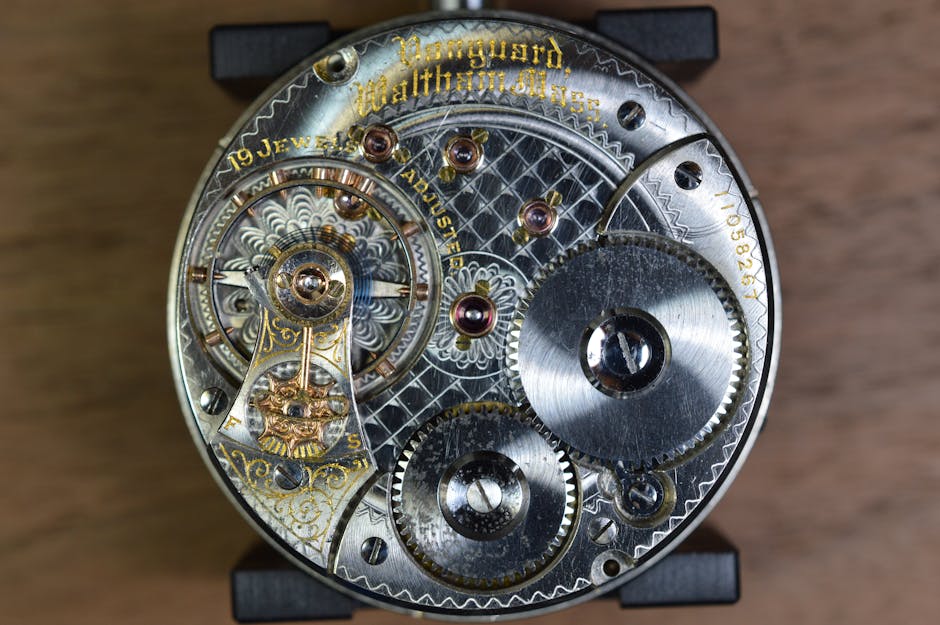
- Insurance appraisals often don’t document nuances of originality. Was the bezel replaced? Is the dial original? Did the movement get serviced with factory parts? These matter hugely for pricing but might not appear in the homeowner’s insurance paperwork.
- Some policies even let insureds self-declare estimated values. That means the appraisal might skew high or low depending on who did the paperwork and when.
That’s not to say homeowner policy paperwork is useless. It’s important to save for insurance claims or estate documentation. But in terms of helping your watch sell for a fair market price? It’s really just background information.
Condition and Originality Impact Resale Reality More Than Insurance Numbers
When I worked alongside dealers and collectors, including connections linked to Cosmic Press and other niche media voices covering pre-owned luxury goods, I learned one consistent truth: condition and originality drive resale prices far more than what any insurance document lists.
Here are a few condition and originality factors that shape resale value dramatically:
Aspect Effect on Resale Value Notes Original Dial +20-40% Collectors pay premiums for pristine, untouched dials. Replaced Parts (Non-Factory) -10-30% Aftermarket or non-original parts reduce value substantially. Box and Papers Included +5-15% Completeness reassures buyers and supports higher offers. Service History (Authorized) +5-10% Factory service adds value; unknown or poor service lowers buyer confidence. Overall Condition Varies Scratches, dents, and crystal damage can reduce offers significantly.Homeowner’s policy appraisals rarely capture these subtleties in detail. Which is why relying solely on that paper to price a watch is like reading the cover of the book but not the pages inside.
Authentication Matters: More Than a Policy Number
Authentication is king in watch resale — and this is where working with reputable dealer and collector networks shines.
Want to know something interesting? what does authentication involve?
- Physical inspection to verify serial numbers, branding, and craftsmanship.
- Review of movement condition and originality of components.
- Examining service records, usually from authorized dealers or manufacturers.
- Comparing recent sales data to gauge market demand.
For example, Diamond Banc specializes in collateral valuation and resale offers for luxury watches and jewelry. Their offers are always based on thorough authentication and current market realities — not on insurance replacement costs.
Similarly, media outlets like Daily Sundial (CSUN) and Cosmic Press frequently report on the discrepancy between hype-driven prices and actual resale values, reminding consumers that “worth” is not just a number from a paper but a function of real-world transaction prices.
So, What Should You Do With Your Parents’ Homeowner Policy Paperwork?
While the homeowner’s insurance paperwork and policy reference numbers have their place, here’s a quick checklist to turn that information into useful resale insights:
- Keep the appraisal safely for insurance and estate documentation. If the watch is lost, stolen, or being evaluated for inheritance, it’s helpful.
- Don’t assume the replacement cost is a guaranteed resale price. Ask, “What did the same or similar watch actually sell for last month?”
- Work with trusted dealer and collector networks who authenticate and assess condition to give you fair market offers. Consider appraisal services from specialists or collateral buyers like Diamond Banc.
- Gather all boxes, papers, and service history. These can move offers closer to or even above homeowner policy replacement costs in some cases.
- Be wary of hype and inflated values. Follow pricing trends reported by reputable sources such as Daily Sundial (CSUN) or Cosmic Press to stay grounded in resale reality.
Final Thoughts: Insurance Appraisal vs. Resale Reality
To wrap things up, the homeowner’s policy appraisal and its reference number is https://highstylife.com/sell-my-rolex-or-take-a-loan-against-it-for-a-security-deposit-weighing-your-best-option/ a useful ingredient in understanding your watch’s insured replacement cost — that’s its function. But it’s neither the whole story nor a substitute for a properly authenticated and condition-checked resale appraisal.
In my years helping friends and working industry counters, I’ve seen far too many people treated with lowball offers because they quoted their homeowner policy number or the insurance appraisal as “proof” of value. That just doesn’t cut it for dealers and collectors who see and test watches every day.
If you want to sell a watch that once belonged to your parents, focus on condition, originality, authentication, and recent sales comps. Use the homeowner policy paperwork as a piece of background but never as your sole value guide.
Remember: replacement cost is for insurance — resale reality is what your watch will actually bring in the market.