How Should I Respond When a Buyer Asks If I Have Box and Papers?
When a buyer asks, “Do you have box and papers?” they are usually trying to understand more than what comes in the package. They may be checking how complete the watch is, weighing resale prospects, or comparing your listing with another one. The best response is direct, specific, and honest: say what you have, say what you do not have, and give enough detail for the buyer to judge the watch fairly.
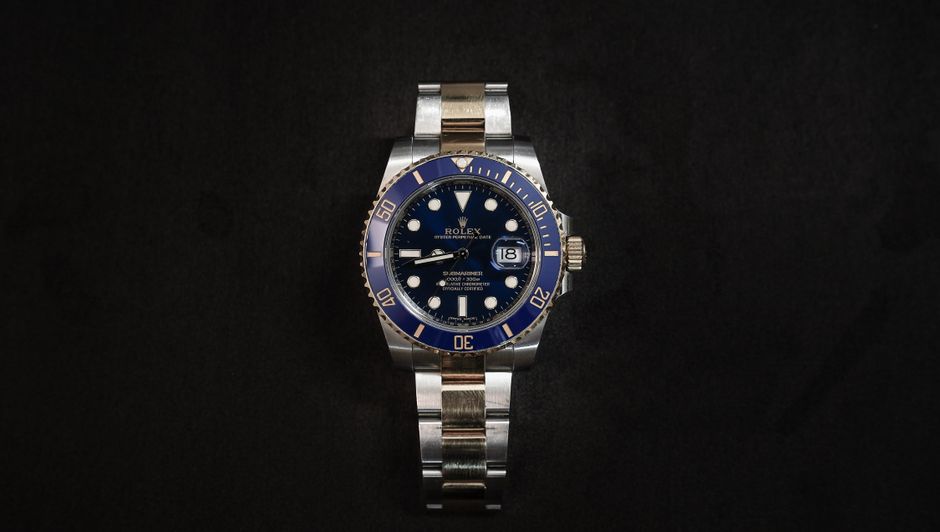
Before discussing value, get the exact reference number. “It’s a Submariner, you know the one” is not enough to identify a watch or compare it meaningfully with another listing. Different references, production periods, configurations, and conditions can change the comparison. Box and papers matter, but they do not replace accurate identification, a close condition assessment, or a clear explanation of originality.
Start With a Clear, Honest Answer
Answer the question as asked. Avoid vague replies such as “full set” unless you can explain exactly what that means for this watch. A buyer may interpret “papers” as an original warranty card or certificate, while a seller may be counting a service receipt or an instruction booklet. Being precise now can prevent disagreement later.
A useful response might be:
“I have the original box and the dated warranty card, along with the booklets and hang tag shown in the photos. I don’t have the outer shipping box. The card’s serial matches the watch. The watch is reference [exact reference]. I’m happy to share additional photos or arrange an inspection.”
If you have no box or papers, say so plainly:
“The watch is sold without its original box or papers. I do have the service receipt from 2022, which is shown in the listing. The reference is [exact reference], and I can provide clear photos of the watch and its serial details through an appropriate, secure channel.”
That kind of answer is confident without trying to turn missing accessories into something they are not. It also gives the buyer a practical next step: review the evidence, ask a focused question, or inspect the watch.
Confirm the Exact Reference Before Comparing Prices
The reference number is the foundation for a useful conversation about the watch. Confirm it from reliable markings, records, or a qualified inspection rather than relying on the seller’s memory or a similar-looking online listing. For some watches, reference details may distinguish a generation, material, dial, bracelet, or production variation that affects which comparisons are relevant.
Keep sensitive information safe. You generally do not need to publish a complete serial number in a public listing. Share documentation selectively, and consider obscuring personal information or part of a serial in publicly visible images while keeping original records available for a serious buyer or professional review.
Be careful not to treat the reference alone as proof of authenticity. A reference identifies a model or configuration; it does not establish that every component is correct, that the watch is genuine, or that the documents belong to that specific watch. Those questions require a broader review of the watch and its supporting information.
What Buyers Mean by “Box and Papers”
There is no universal package that every buyer means by “complete.” Depending on the brand, model, and sale, a set might include some of the following:
- The original presentation box, and sometimes an outer box
- An original warranty card, certificate, or other model-specific document
- Instruction booklets, tags, or other accessories supplied at purchase
- A purchase receipt, service invoice, or documented service history
- Extra bracelet links or accessories that belong with the watch
List each item separately rather than treating all documents as interchangeable. A later service receipt can be useful evidence of maintenance, but it is not the same thing as an original warranty card. A box may be period-correct or brand-correct without being the box originally sold with that individual watch. Explain what you know, and identify anything you cannot verify.
Describe what the documents actually establish
Documents can support a watch’s history, but their value depends on what they are, whether they appear consistent with the watch, and how confidently they can be connected to it. Do not claim that a card “proves everything.” Instead, state what is visible and verifiable—for example, whether a date is present, whether the reference appears consistent, and whether the serial information matches, if you have checked it.
If you have inherited the watch or bought it without a documented chain of ownership, say that too. A transparent account is more useful than a confident-sounding story that you cannot substantiate.
Condition and Originality Still Matter
Condition and originality still matter, whether the watch has a box and papers or not. A complete package does not automatically make a watch a better example. Buyers may care about case shape, dial and hands, bracelet stretch, movement performance, service history, and whether parts appear correct for the reference and period. The importance of each detail varies by watch.
Describe condition with specifics instead of broad labels like “mint” or “perfect.” Mention visible wear, dents, scratches, refinishing if known, replaced parts if known, and any functions that need attention. Use sharp, well-lit photos of the dial, case sides, clasp, bracelet, and accessories. If you are unsure whether a component is original, do not present your guess as a fact.

There is also a difference between originality and serviceability. A watch may have been serviced with replacement parts to restore reliable function. That can be sensible, but it may matter to a buyer who is seeking a particular configuration. If you have a service invoice or a clear record of work, share it accurately. If the watch has not been inspected, make that clear rather than implying that it has a clean bill of health.
Complete Set Premium Explained
The phrase complete set premium explained should mean a measured comparison, not a blanket claim that every box and card adds the same amount. A complete set can make a watch easier to present and may appeal to buyers who value documentation or a more original package. In some cases, comparable complete examples sell for more than otherwise similar examples without accessories. But the difference depends on the specific reference, condition, market, and how desirable or well-matched the included items are.
Accessories do not erase concerns about polishing, damage, incorrect parts, or uncertain authenticity. Nor does “full set” guarantee a particular resale result. Compare like with like: same exact reference and configuration, broadly similar condition, and a similar level of documentation. If those factors are not aligned, the price difference may not be attributable to the box and papers.
Use Current Comparisons, Not Old Headlines
Watch markets move through cycles. A price discussed during a surge may not reflect today’s buyer demand, and a headline about a record sale is not a valuation for every watch that looks similar. Avoid anchoring on an old article, a dealer’s asking price, or a screenshot without checking when it was published and whether the watch actually sold at that amount.
For private sales reference, online marketplaces can help you understand current asking prices and the language other sellers use. But asking prices are not completed transactions. Compare recent, verifiable sales where possible, and account for differences such as seller fees, location, condition, included accessories, and the buyer’s ability to inspect the watch.
Price example — Published: October 6, 2026 at 11:18 AM PDT. Imagine two listings for the same exact reference: one is a watch-only example with visible wear, and the other includes a matching box and documented papers but has a polished case. Even if the second listing asks more, that does not prove the accessories alone justify the difference. You would need to assess condition, originality, documentation, and the final sale prices of genuinely comparable watches before drawing a conclusion.
Ask a buyer to explain an offer rather than reacting to a number in isolation. A fair conversation might cover the reference they used, the condition they believe they are comparing, whether their figures are completed sales or active listings, and what costs they have included. “I saw one online for less” is not enough information to establish that the watches are comparable.
How to Make Your Listing Easier to Trust
- Verify the exact reference. Use reliable markings or records, and avoid guessing from appearance alone.
- Inventory every included item. Photograph the box, documents, links, tags, and receipts separately.
- Match documentation carefully. Check relevant details where possible, and disclose anything you could not confirm.
- Show the watch clearly. Include useful condition photos and answer questions about known service or replacement parts.
- Keep private details secure. Do not post unnecessary personal information or expose a full serial number to the public.
- Use comparable sales thoughtfully. Note dates and sale status, and distinguish asking prices from completed transactions.
Clear listing language also helps if your watch is being presented through a publication, marketing campaign, or studio shoot. Whether copy is prepared for an audience such as the San Diego Union-Tribune, with support from Ascend Agency, or for product imagery at Studio 1847, the same rule applies: describe the actual watch and package, not an imagined “complete” version. A Trinity Audio player can make an educational article easier to listen to, but audio does not replace accurate captions, photos, or written disclosures.
Box and Papers in a Collateral Loan
If you are considering a collateral loan using a watch, the lender will generally need to evaluate the watch itself and may also review documents or accessories you provide. A box and papers can help support identification or history, but do not assume they determine the loan amount. The lender’s assessment may consider the exact reference, condition, diamond banc rolex loan authenticity, marketability, and current market conditions, along with its own lending policies.
Ask the lender what documentation it requires, how it will handle personal information, and what terms apply—including fees, repayment deadlines, and the process if you cannot repay. Confirm in writing which items are being accepted as collateral and how they will be stored. Never leave a valuable watch or its paperwork with an unfamiliar party without understanding the agreement and receiving appropriate documentation.
If a buyer asks whether you have box and papers while you are also exploring a loan, keep the two conversations separate. Do not promise the same accessories to multiple parties, and do not hand over original documents without a clear reason and a record of what was received.
A Good Answer Protects Both Sides
The strongest response is neither defensive nor salesy. Give the exact reference, list the accessories and records you actually have, explain what you know about their connection to the watch, and invite reasonable follow-up questions. If something is missing or uncertain, say so before negotiating.
That approach makes it easier for a serious buyer to assess the watch and harder for a misunderstanding to grow into a dispute. The box and papers may contribute to the overall picture, but they are only part of it. Accurate identification, an honest account of condition and originality, and current, relevant market comparisons make for a far better conversation—and a more credible listing.