How Fast Do Rolex Resale Prices Change on the Secondary Market?
The reputation of Rolex watches as symbols of luxury, precision, and timeless style is well known. However, beyond the showroom and official retail price tags, Rolex https://smoothdecorator.com/can-i-sell-a-rolex-without-box-and-papers/ secondary market prices often chart a much more dynamic path. Understanding how quickly — or slowly — these prices move is essential for collectors, enthusiasts, and anyone considering buying or selling a pre-owned Rolex.
In this detailed analysis, we’ll explore the factors influencing Rolex resale values, contrasting them against the Manufacturer’s Suggested Retail Price ( MSRP), and look at key tools and sources like auction results and dealer sales data to keep a pulse on the marketplace. We’ll also touch upon insights shared by industry players such as Diamond Banc and Market Realist.
The Secondary Market vs. MSRP: Different Pricing Worlds
When discussing Rolex watches, we often hear about the retail price or MSRP. Official Rolex boutiques and authorized dealers set prices very carefully, maintaining a standard baseline for new watches. However, the resale value on the secondary market rarely mimics this neatly.
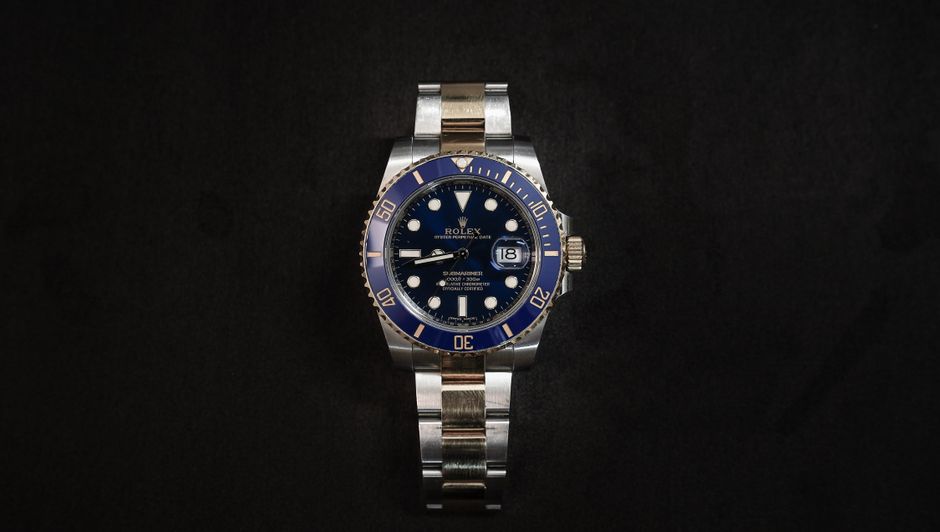

- MSRP: The price you pay when buying a brand-new Rolex from an authorized dealer.
- Secondary Market Price: The price that pre-owned Rolex watches fetch when sold to other collectors, dealers, or through auction.
The key difference? The secondary market price is fundamentally driven by real-world demand, scarcity, and transactional dynamics. This price can be higher or lower than MSRP depending on various factors.
What Affects Rolex Secondary Market Prices?
Here are some of the prime movers behind price shifts on the secondary market:
- Scarcity from Discontinuation: When Rolex discontinues a model or certain configurations, scarcity boosts collector desire and often elevates resale prices.
- Collector Demand Cycles: Certain models or styles trend with new generations of collectors or market shifts, causing demand waves.
- Condition and Documentation: Full sets, original papers, and excellent condition shift pricing higher on comps.
- Economic Factors & Brand Perception: Rolex’s continued brand prestige and macroeconomic trends also impact price movement.
How Fast Do Prices Change? The Reality Check
There’s a lot of speculation about how quickly Rolex prices can jump on the secondary market. Industry insiders like Diamond Banc, a leading luxury collateral lender and secondary buyer, emphasize that price changes are rarely sudden spikes without context.
The typical flow of Rolex resale prices closely tracks actual transactions rather than hype or social media chatter. This is where watch market comps (comparable sales data) become invaluable.
Using Auction Results and Dealer Sales for Real-Time Pricing
The most reliable method to measure how quickly resale prices change is reviewing auction results and dealer sales data:
- Auction Results: Publicly available auction sales records — from major houses like Sotheby’s or Phillips — provide timestamped sales for exact models, often with condition notes. These reveal actual prices paid.
- Dealer Sales and Marketplace Comps: Secondary market dealers, including online marketplaces, report average sale prices across different time frames. These “marketplace comps watches” help identify pricing trends over weeks or months.
Market Realist reports tracking such data sets underline that changes in Rolex resale prices typically happen over months rather than days. Sudden price spikes without corresponding transaction volume or verified comps should be met with caution.
Example: Scarcity Impact from a Discontinued Model
Consider a hypothetical scenario where Rolex discontinues a popular Submariner variation. Although no explicit prices were provided in the scraped content, what usually follows is a gradual but steady increase in secondary market prices as inventories tighten and collectors chase final examples.
This pricing trend is typically evident within 3-6 months and continues upward as fewer units circulate. edit: fixed that. The speed depends on how desirable the model is, broader market conditions, and how quickly dealer inventories are absorbed.
Understanding Replacement Value vs. Resale Value
A common misunderstanding in the watch market is conflating replacement value with resale value. These two are distinct:
- Replacement Value: What it would cost to replace your watch today in a retail or insurance context. Often close to MSRP or insured value including additional premiums.
- Resale Value: What your watch can realistically be sold for in the current secondary market, often guided by recent comps and actual transactions.
Disentangling these values is crucial when evaluating Rolex pricing dynamics. Some insurance appraisals or market listings present “replacement value” as a market price, which can be misleading.
Tips for Buyers and Sellers Navigating Changing Rolex Prices
- Check Transaction History: Before deciding price or offer, verify the latest actual sales of your model — “what did it actually sell for last week?”
- Beware of Overhyped Pricing: Avoid jumping on prices pushed by speculation with no source or verified comps.
- Consider Scarcity Trends: Monitor announcements on discontinuations or supply-chain issues that can affect availability and collector demand.
- Use Trusted Marketplaces and Dealers: Platforms like Diamond Banc provide operational insights and real-time market feedback.
Summary Table: Factors Influencing Speed of Rolex Resale Price Changes
Factor Typical Impact on Speed of Price Change Notes Discontinued Model Announcement Moderate to Fast (Months) Rise over 3-6 months as supply tightens Sudden Market Trend or Celebrity Endorsement Slow to Moderate Pricing responds gradually if backed by demand Economic or Brand Sentiment Shifts Slow (Quarterly or longer) Broad market forces drive general pricing Seasonal Collector Demand Cycles Slow and Cyclic Prices may fluctuate slightly but generally stableFinal Thoughts: Measuring Rolex Resale Price Velocity with Data, Not Hype
Rolex resale values on the secondary market move according to authentic economic forces and market dynamics — not just buzz or anecdote. The most reliable indicators are transactional data, such as auction results and dealer sales reports, which help parse how fast prices truly change.
Respecting the distinction between replacement value and resale value, staying grounded in verified marketplace comps watches, and evaluating scarcity and collector demand cycles are keys to understanding the Rolex secondary market’s pace.
I'll be honest with you: for anyone engaged in buying or selling pre-owned rolex watches, tapping into tools offered by trusted organizations like diamond banc or consulting data summaries on market realist can provide clarity amid a marketplace that at times appears volatile but often moves deliberately.
Ultimately, if you ask yourself, “What did it two tone submariner vs steel actually sell for last week?” versus “What is it being advertised for?” you’ll get the truest gauge of Rolex resale price momentum.